In a community reeling from chronic water shortages, the introduction of the Prepaid Water system in some parts of Soweto like Orlando East and others, was supposed to offer a solution. However, more than a year since its implementation, residents are voicing profound dissatisfaction, alleging a series of failures in its rollout.
From the outset, residents argue that there was inadequate consultation prior to the system’s introduction. Many were left unaware and unprepared for the shift to prepaid water meters, with little to no training provided on how to operate them effectively. Complaints abound regarding the complexity of purchasing prepaid water credits, exacerbated by an unclear list of vendors authorized to sell them.
Community WhatsApp groups are full of people who are complaining of water shortage or water cuts due to the Prepaid Water System.
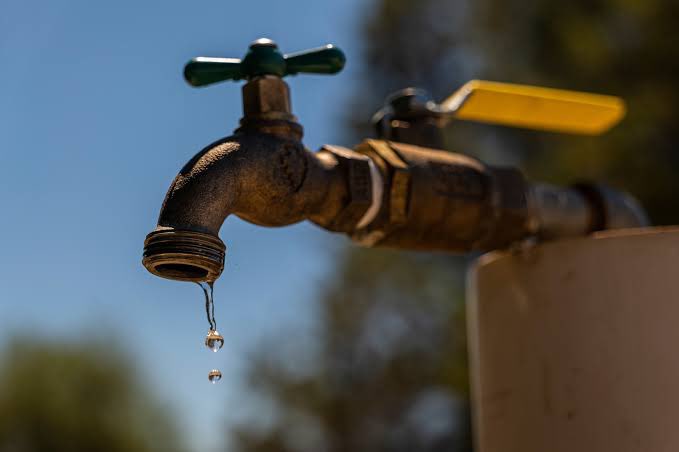
“Nobody explained how this system works. We’re left in the dark,” lamented a community member in one of the WhatsApp group.
The situation is compounded by persistent water supply disruptions affecting those who signed up for the prepaid service disproportionately. Curiously, residents who opted out seem unaffected, leading to accusations of inequitable service delivery.
According to WhatsApp Group messages, Councillors have squarely blamed Joburg Water for the flawed implementation, citing inadequate prior consultation with the community. Efforts to address these concerns have been marred by ongoing reports of households without water on a daily basis.

In response to mounting pressure, councillors have engaged with Joburg Water, demanding immediate reforms. Promises have been made to improve consultation processes, enhance resident training on prepaid water systems, and clarify the allocation of free water to qualifying families.
“We reject this prepaid water system because it neglects the most vulnerable among us,” voiced Lucas Mokoena, highlighting concerns over the provision of essential water to those unable to afford prepaid credits.
As the debate intensifies, residents of Soweto continue to grapple with the repercussions of a system intended to streamline water access but which has instead deepened their water woes. The future remains uncertain as community leaders and utility providers navigate a path towards equitable and sustainable water management in Soweto.
