Asikhulume Soweto. We all want a safe educational environment for our kids and teachers in Soweto, recently we have seen schools have increasingly adopted the practice of random search parades, often conducted in collaboration with the Community Police Forum, the police, and the School Governing Body (SGB).
We want to ask you, what you think about the search parades at schools in Soweto. In this article we aim to examine the complexities of such measures, examining their implications and advocating for a more holistic approach to student welfare.
The rationale behind school searches is clear: to deter and detect the presence of weapons, alcohol, and drugs, thereby safeguarding the school community. Some people in our community argue that these searches are a necessary response to the troubling instances of violence and substance abuse within our schools. They help keep the school safe, signaling a zero-tolerance stance on crime and lawlessness.
The South African Schools Act, (SASA) declares all schools as drug-free zones. SASA clearly states that no person may bring a dangerous object or illegal drug onto school premises or have such object or drug in his or her possession on school premises or during any school activity. Read School Act here
However, we also have a section within our society that views school search parades differently. They are concerned about the stigmatization of individuals, and creating an atmosphere of surveillance rather than one of learning. The concern is that such measures may treat symptoms rather than causes, failing to address the underlying issues that lead students to bring weapons and drugs into the school premises.
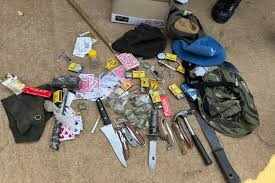
Bahlali, we need to get to the bottom of this issue and deal with the root issue. It is not enough to conduct search parades and consider the matter resolved. The SGB, along with the Community Police Forum, must investigate the root causes that compel learners to resort to such extreme measures. Are there unmet needs or pressures at home or within the community that drive these behaviors? What role does the school environment play in either promoting or solving these issues?
The Intervention
Intervention should not end with the confiscation of drugs and weapons. The SGB and the Community Police Forum should extend their efforts to engage with the families of affected learners, offering support and recommendations tailored to their specific circumstances. This approach recognizes that learners are not merely offenders but also victims of broader social and familial dynamics.
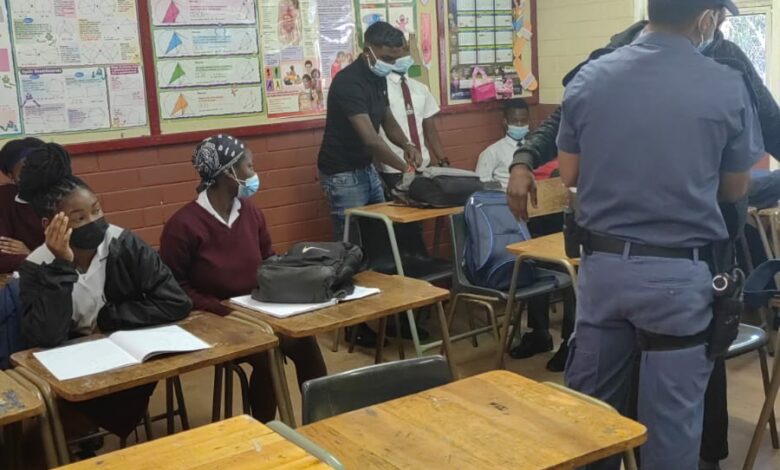
Community Participation
As a community, we should ensure the responsibility for addressing these challenges should not rest solely on the shoulders of the school. There is a view that parents should be held accountable (not blamed) for their children’s behavior and provided with assistance where necessary. The school, in partnership with the SGB and other stakeholders, should identify opportunities and create programs that foster positive development and address the needs of learners.
Let’s also look at the treatment of the learners:
The attitude of the police, Community Police Forums, and the SGB towards problematic learners must evolve. Rather than defaulting to punitive measures, empathy and understanding should guide their interactions. These bodies must remember that they are dealing with young individuals who are still learning and growing.

Finally, the SGB committee members must be reminded of their duty to assist the school in creating a nurturing environment. Their role is not merely administrative and to manage the budget of the school; they are integral to identifying and implementing initiatives that support the holistic development of learners.
In conclusion, while search parades may play a role in maintaining school safety, they should be part of a broader strategy that prioritizes the well-being and rehabilitation of learners. By adopting a comprehensive approach that addresses the multifaceted nature of the issue, schools can create an environment where safety and learning go hand in hand.